Unlocking Depth in Digital Art: A Guide to Procreate 3D Brushes X 6
The landscape of digital illustration has shifted dramatically in recent years. What began as a flat, two-dimensional medium has evolved into a rich, textured playground where artists can mimic the tactile feel of traditional materials with startling accuracy. At the forefront of this evolution is the iPad paired with the Procreate app, a combination that has become indispensable for modern creatives. However, the software is only as powerful as the tools you feed it. This is where specialized toolsets like Procreate 3D Brushes X 6 come into play, offering a bridge between digital convenience and physical realism.
For artists, designers, and hobbyists alike, the desire to create work that pops off the screen is universal. Whether you are designing a greeting card, creating assets for print-on-demand services, or simply exploring digital scrapbooking, the texture and depth of your brushes define the final aesthetic. These instant download, hand-drawn, created digital brushes are not just add-ons; they are essential instruments for anyone looking to elevate their DIY projects from amateur to professional grade.
The Power of Tactile Realism in a Digital Space
One of the most significant challenges in digital art is overcoming the "flatness" inherent to screens. While vector graphics offer precision, they often lack the organic warmth of hand-made items. The Procreate 3D Brushes X 6 pack addresses this by introducing pressure-sensitive dynamics that react to the Apple Pencil just as a real brush would react to canvas pressure. This responsiveness allows for a level of control that transforms simple strokes into complex, multi-layered textures.
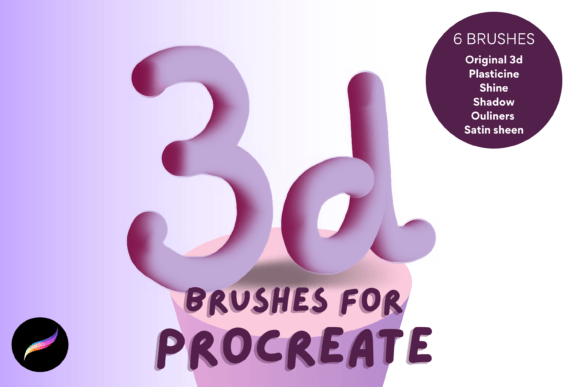
The pack contains six unique individual brushes, each designed with a specific textural purpose in mind. Among these are shadow outliners, which provide immediate depth to any shape they surround, giving illustrations a sticker-like or cut-out appearance that is incredibly popular in current design trends. Then there are the plasticine and original 3D brushes, which simulate the soft, malleable look of modeling clay. This is particularly useful for creating whimsical, child-friendly designs or adding a playful, handmade touch to branding materials. Finally, the shine brushes add those crucial highlights that suggest light reflection, making elements appear glossy, wet, or metallic.
Expanding Your Creative Workflow
Integrating these brushes into your workflow opens up a myriad of possibilities for both digital crafting and printed goods. The versatility of the clip art elements created with these tools cannot be overstated. They are perfect for greetings cards, where a touch of simulated 3D texture can make a digital message feel more personal and tangible. In the realm of scrapbooking, these brushes allow users to create digital embellishments that look like physical stickers, ribbons, or clay figures, adding a layer of nostalgia and craftiness to digital layouts.
For those involved in the print-on-demand industry, the quality of the source file is paramount. Designs used for wrapping paper, wall art, and invitations need to hold up under scrutiny. The high-resolution capabilities of Procreate, combined with the detailed texture of the Procreate 3D Brushes X 6, ensure that your designs remain crisp and engaging whether they are viewed on a smartphone screen or printed on large-format poster paper. The ability to create assets that look hand-drawn yet possess a polished, three-dimensional quality gives sellers a competitive edge in crowded marketplaces like Etsy or Redbubble.
Technical Requirements and Compatibility
Before diving into the creative potential, it is crucial to understand the technical ecosystem required to use these tools effectively. It is important to note that these files are digital brushes that will only work within the Procreate App. They are not compatible with Photoshop, Illustrator, or other desktop-based design software. This specificity ensures that the brushes are optimized for the touch interface and processing power of the iPad, but it also means you must have the right hardware.
To utilize these brushes, you will need an Apple Pencil and the Procreate App installed on an iPad Pro or a compatible iPad model. The Apple Pencil is not merely a recommendation; it is a necessity. The pressure sensitivity and tilt recognition features of the Pencil are what drive the dynamic behavior of the shadow outliners, plasticine, and shine effects. Without this hardware, the brushes will not function as intended, and the 3D effect will be lost. This requirement underscores the importance of investing in a proper digital art setup if you wish to explore this medium seriously.
Installation and Setup Process
For many new users, the process of importing custom brushes can seem daunting. However, with the right steps, it is a straightforward procedure. Once you purchase the Procreate 3D Brushes X 6, you will receive a digital download. To access these files, you will need a platform to download them to, such as iCloud, Dropbox, or Google Drive. Since the files are typically compressed to save space, you will also need a program capable of unzipping the files, such as iZip or the built-in Files app on iOS.
After downloading and unzipping the folder, the installation process is seamless. The files are formatted specifically for Procreate. When you tap on the brush file within your file manager, it will automatically prompt you to open it in Procreate. Upon confirmation, the brushes will import directly into the app within a named folder. This organizational feature is helpful, keeping your new 3D tools separate from your default library until you are ready to integrate them into your regular workflow. This automatic import function eliminates the need for complex manual installations, allowing you to start creating almost immediately.
Practical Applications and Design Tips
Understanding how to use these brushes effectively requires a bit of experimentation. The shadow outliner, for instance, works best when used on a separate layer beneath your main subject. This allows you to adjust the opacity and blur of the shadow independently, creating a realistic sense of distance between the object and the background. For the plasticine and original 3D brushes, varying your pressure is key. Light strokes create subtle textures, while heavy pressure builds up the "clay" for a more pronounced, sculpted look.
When creating invitations or wall art, consider combining these 3D elements with flat, minimalist typography. The contrast between the hyper-textured, dimensional brush strokes and clean, modern fonts creates a visually striking composition that draws the eye. Additionally, these brushes are excellent for creating mockups. If you are designing a product label, using the shine brush to add specular highlights can help clients visualize how the final printed product might look under store lighting.
It is also worth noting that these brushes are not limited to professional illustrators. They are equally valuable for educators creating engaging visual aids, parents making personalized birthday cards, or small business owners designing social media content. The ease of use, combined with the professional quality of the output, makes Procreate 3D Brushes X 6 a versatile addition to any digital creator's toolkit. By mastering these tools, you unlock the ability to produce work that feels authentic, tactile, and deeply engaging, bridging the gap between the digital and physical worlds.